
Import guide
Importing from China to Chile
How to import from China to Chile, step by step: what you pay, how long it takes and which document decides whether the duty stays at 0%.
In concrete terms
What importing from China to Chile actually means
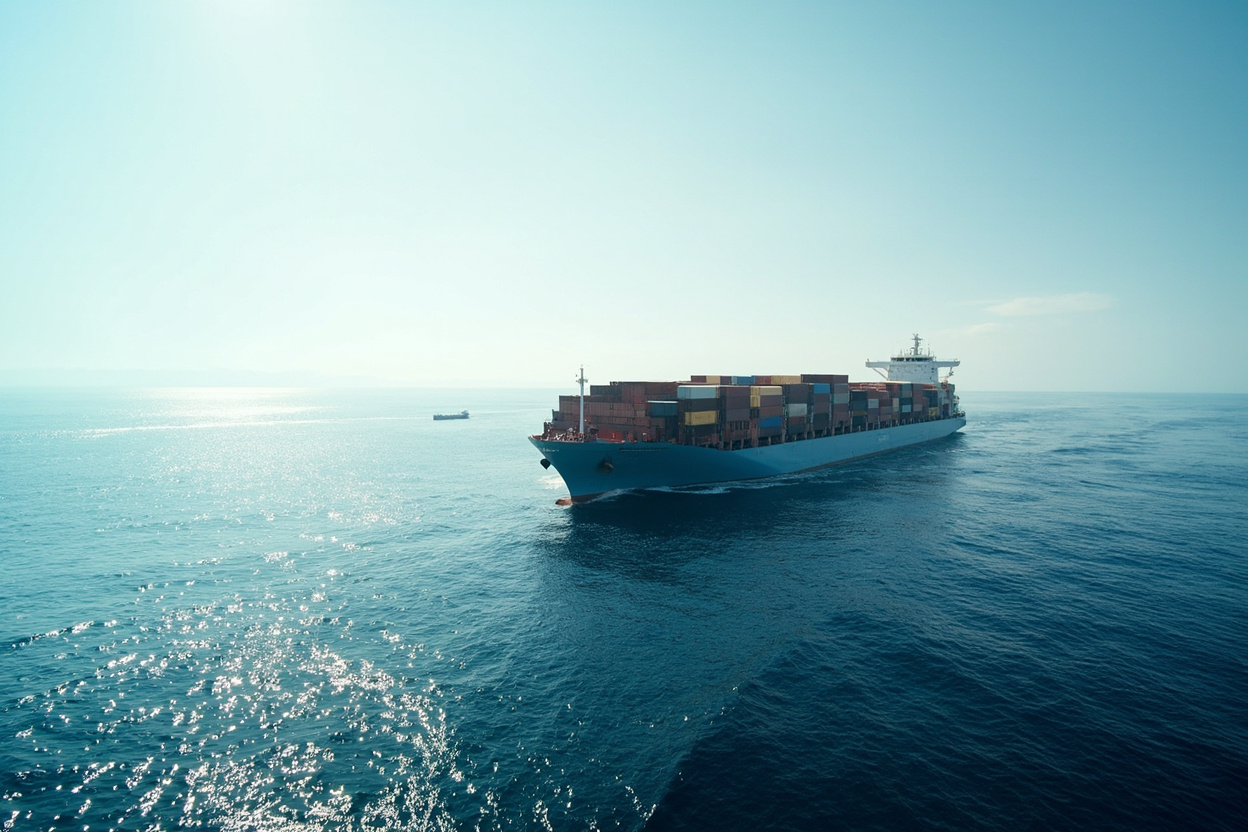
Importing from China to Chile means moving goods manufactured in China into Chile and putting them on sale here. In practice it is five things chained together: choosing the mode of transport, closing the freight with the shipping line, preparing the document file, passing customs clearance at Chilean Customs and receiving the cargo at your warehouse. What decides whether the operation comes out expensive or cheap is not the freight: it is the duty that was applied and the days the cargo spent paying charges in the terminal.
Why freight is not the cost
The shipping line invoice covers the transport from the port of loading to the port of discharge. Everything else is charged in Chile and comes on top: the container terminal handling charge (THC) and handling, the customs broker fee, storage from the first day, cargo insurance and final delivery. Added to the 19% import VAT on the CIF value, an import can cost two to three times what the freight quote says. That is why we publish the full breakdown and not just a shipping figure.
See the full breakdownThe process
How importing from China works, step by step
Five chained stages. Each one has its own time and its own cost, and a failure at any of them is paid for in the ones that follow.
- 01 Same day
Define the cargo and the shipping mode
Before asking for a price you have to settle three things: the type of goods, the volume and the date by which you need the cargo in Chile. With that you decide the mode of transport and choose the port of loading in China. A full container load, groupage cargo and air freight have different cost structures, and comparing them without fixing the goods leads to quotes that are not comparable with one another.
- 02 1 to 3 days
Close the freight with the shipping line
Space is booked on the relevant departure and the bill of lading (B/L) is issued. The freight is paid port to port: it covers the voyage to Chile, not the customs clearance or the delivery. The booking is made well in advance in high season, between November and March.
- 03 Before shipment
Prepare the document file
The commercial invoice, the packing list and the bill of lading have to match each other on the description of the goods, the weight and the number of packages. On top of that comes the certificate of origin under the TLC to apply 0% duty. If the HS code on the certificate does not match the one on the invoice, the shipment pays the general duty.
- 04 3 to 7 days
Customs clearance at Chilean Customs
The customs broker files the import declaration and checks that the file is complete. If Customs opens a physical examination, the process extends. The outcome decides whether the cargo is released or whether the declaration has to be corrected, with the cargo meanwhile in storage and storage charges running.
- 05 1 to 4 days
Container pickup at the terminal and final delivery
With the cargo released, the container pickup and the transport to your warehouse are coordinated. This is the leg that is charged on top of the total: the distance from the port to the final destination is billed separately, and in high season the wait for a berth can add days.
Modes
Three ways to move the cargo, three cost structures
The ranges are reference values and do not include the items charged in Chile. The formal quote is confirmed in writing with the detail of your cargo.
| Mode | Unit | Reference range | Transit | Who it is for |
|---|---|---|---|---|
| Ocean freight FCL | Per 20GP container | USD 1,450 – 2,400 | 28–34 days | Medium or high volume cargo, with no rush and the option to require a sealed container. |
| Ocean freight LCL | Per cubic metre | USD 105 – 165 | 30–40 days | Cargo smaller than a container, consolidated with other shipments to the same destination. |
| Air freight | Per kilogram | According to volumetric weight | 8–15 days | Urgent, high-value, low-volume cargo, where the deadline matters more than the cost. |
Estimated reference times. Real availability is confirmed in writing with the quote.
The breakdown
What you pay for and where
These are the eight line items that appear in a typical import from China. The values are reference figures and each one is confirmed in the formal quote.
| Item | Reference value | What it covers |
|---|---|---|
| Ocean freight port to port | USD 1,450 – 2,400 (20GP) | Includes international transport and all-risk insurance. It does not include anything that happens in Chile. |
| THC and handling at destination | Per container | It is charged at the port of discharge. Its value depends on the equipment type and terminal congestion. |
| Customs clearance | CLP 300,000 – 700,000 per D.I. | Customs broker fees, depending on the number of line items. A physical examination adds the corresponding surcharge. |
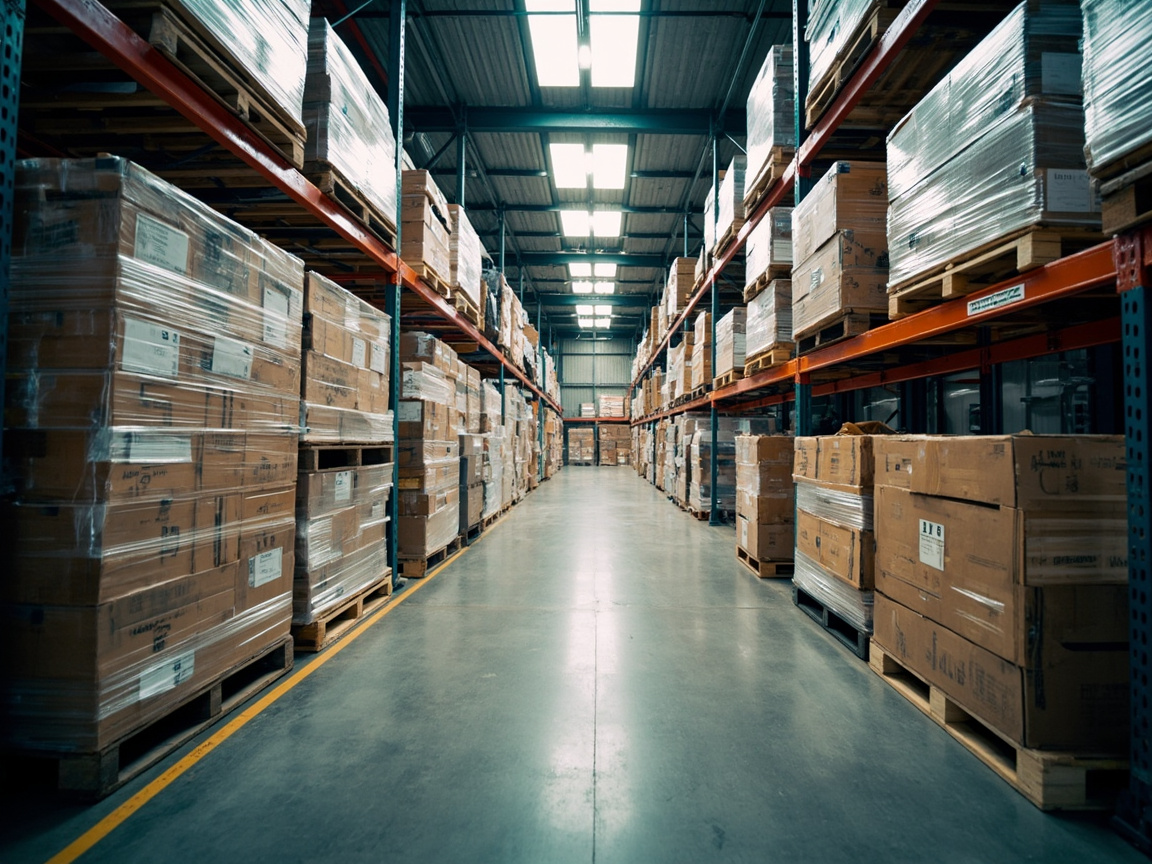
| Storage | Per calendar day | It is charged after a free period that depends on the contract. In high season it is the item that hurts most. |
| Customs duty | 0% with the TLC · 6% general | 97.2% of the tariff lines under the TLC stay at 0%; the remaining 2% are on the Exclusion List. |
| Import VAT | 19% on the CIF value | It is paid on the import and recovered by companies registered for VAT. |
| Final delivery | Per container or per pallet | With a distance surcharge within Chile, depending on the port of discharge. |
| Cargo insurance | 0.3% – 0.8% of the declared value | With a minimum premium per shipment. It is a fraction of the cost, but it is the one that prevents a large loss. |
Port of discharge
Valparaíso, San Antonio or Iquique
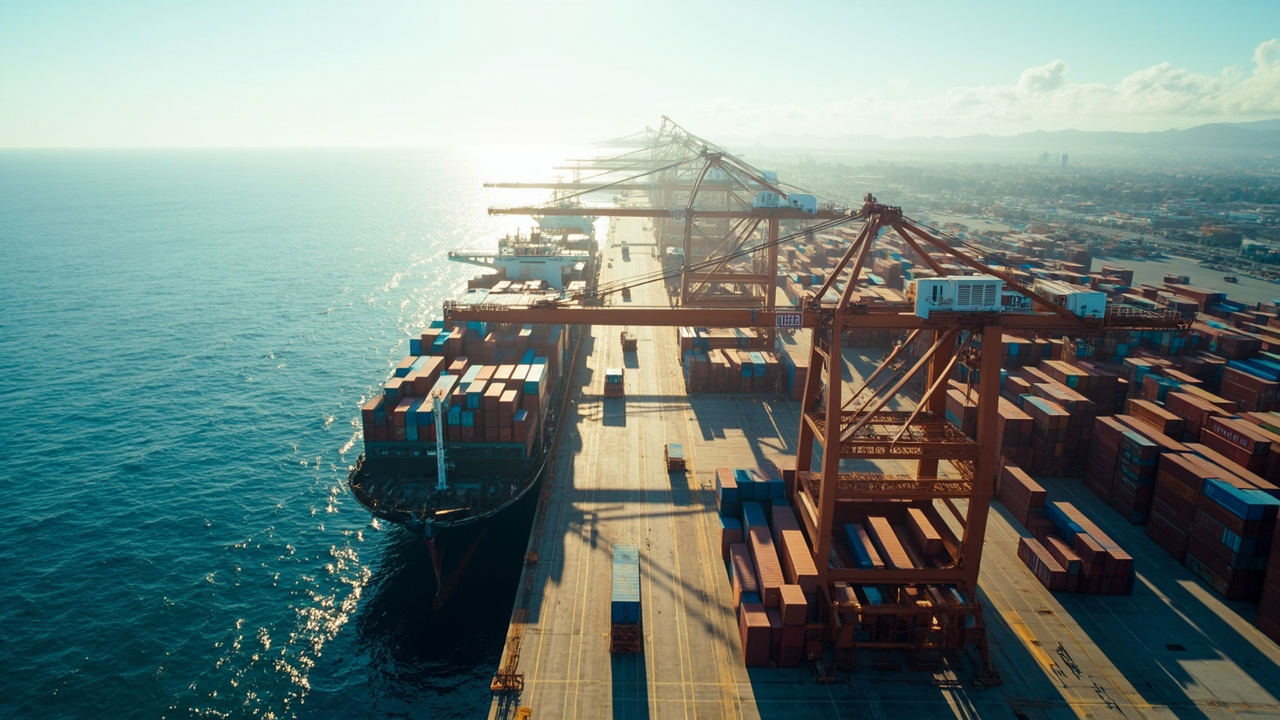
The port of discharge is chosen together with the final destination of the cargo, not by the freight: for Santiago and the central zone, Valparaíso and San Antonio are the direct options; for northern Chile or for Bolivia via Chungará, Iquique is the connection point. San Antonio has more berth capacity for high-volume cargo; Valparaíso is more convenient for groupage cargo; Iquique is the only one with a land exit to Bolivia.
What to avoid
Four mistakes that make an import more expensive
The HS code on the certificate of origin does not match the invoice
It is the most expensive mistake and the easiest to avoid. If they do not match, the shipment enters paying the general duty even though the TLC exists. It is checked before shipping, not afterwards.
The invoice, the packing list and the B/L do not match each other
Differences in the description, the weight or the number of packages open the door to a correction of the declaration, with the cargo held in storage while it is regularised.
Collecting the container late
Storage is charged per day and in high season the days add up quickly. Planning the collection with customs already cleared avoids the most unexpected invoice.
Comparing quotes without fixing the goods
A price without cargo type, volume and date is not comparable with another. The formal quote carries the detail; the loose number is useless.
Frequently asked questions
How much does it cost to import from China to Chile?
As a reference value, door to door freight for a 20GP container runs between USD 1,450 and USD 2,400, with a transit time of 28 to 34 days. The total cost of the import is higher: to the freight you add THC and handling, customs clearance, storage, insurance, final delivery and the 19% import VAT on the CIF value. The full breakdown is in the table on this page.
How long does cargo take from China to Chile?
By sea, between 28 and 34 days port to port from the ports of Shanghai, Shenzhen, Ningbo, Qingdao and Guangzhou. To that transit time you add between 3 and 7 days of customs clearance with complete documents and no inspection, 2 to 5 more days if there is a physical examination, and the days for collection and final delivery. By air, the transit time drops to 8 to 15 days.
Is the duty 0% under the TLC?
97.2% of the tariff lines under the TLC stay at 0% and the remaining 2% are on the Exclusion List, which is public and can be checked before buying. To apply the 0% you need three things: the certificate of origin must exist, the product must comply with the rules of origin and the HS code on the certificate must match the one on the commercial invoice.
Is a full container load or groupage cargo more suitable?
It depends on the volume and the destination. A full container load is justified when the cargo fills a 20GP or a 40HQ: the cost per cubic metre is lower and the seal avoids consolidating with other shipments. Groupage cargo suits smaller volumes, with weekly departures and the same consolidation circuit at origin.
Can I import to Chile with a small value?
Yes, under the courier regime, but the treatment depends on the value and the type of goods. For commercial cargo of any size you have to work with a customs broker: from USD 1,000 FOB the import requires an agent in Chile, and below that amount the importer can file the declaration directly.
Valparaíso, San Antonio or Iquique?
For a destination in Santiago or the central zone, Valparaíso and San Antonio are the direct options: Valparaíso is more convenient for groupage cargo and San Antonio has more berth capacity for high volume. Iquique is the northern port and the only one with a land exit to Bolivia through the Chungará border crossing. The choice goes together with the final destination of the cargo.